ReStart Global - Energy

Renewable Energy Solutions

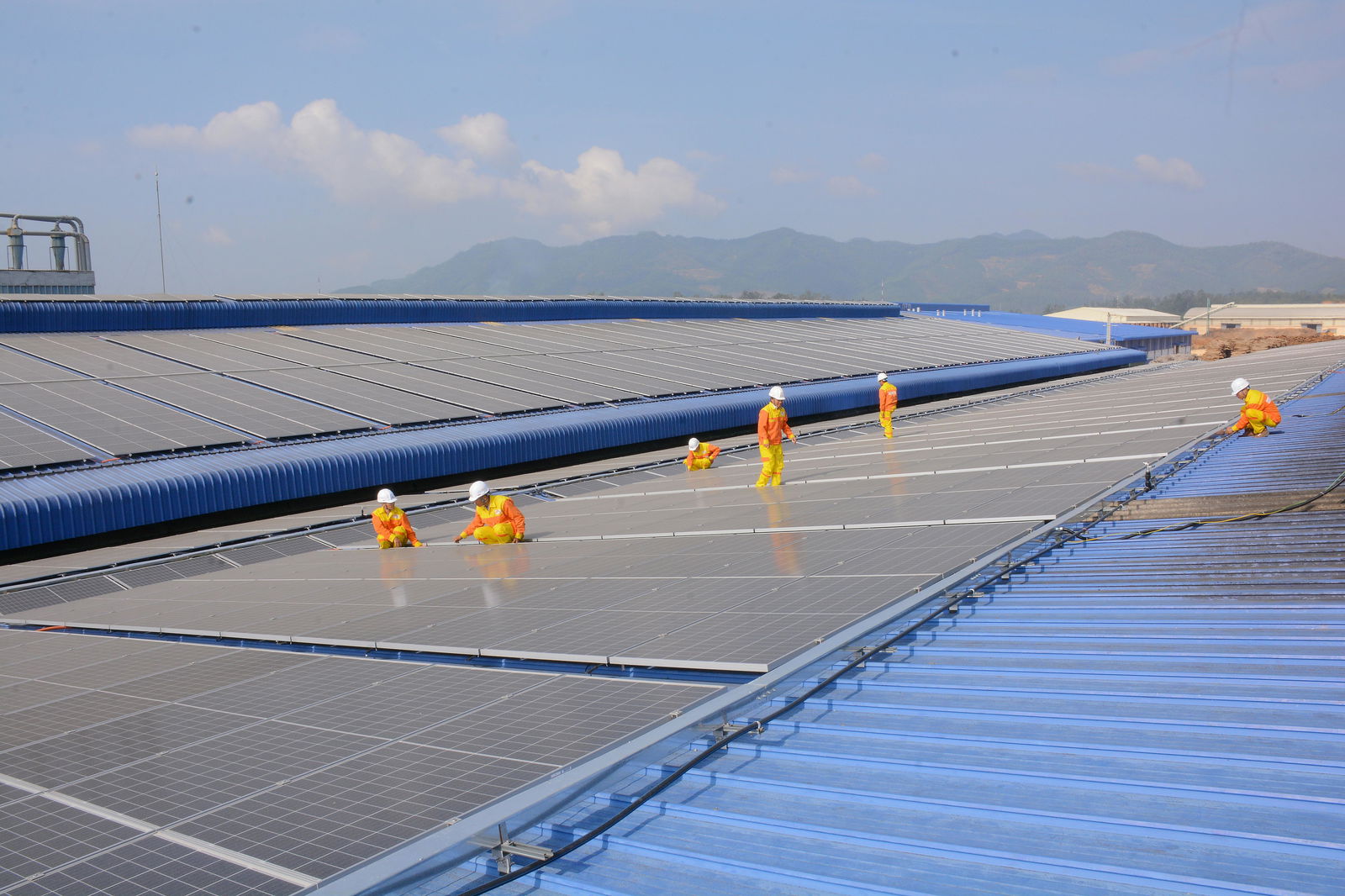
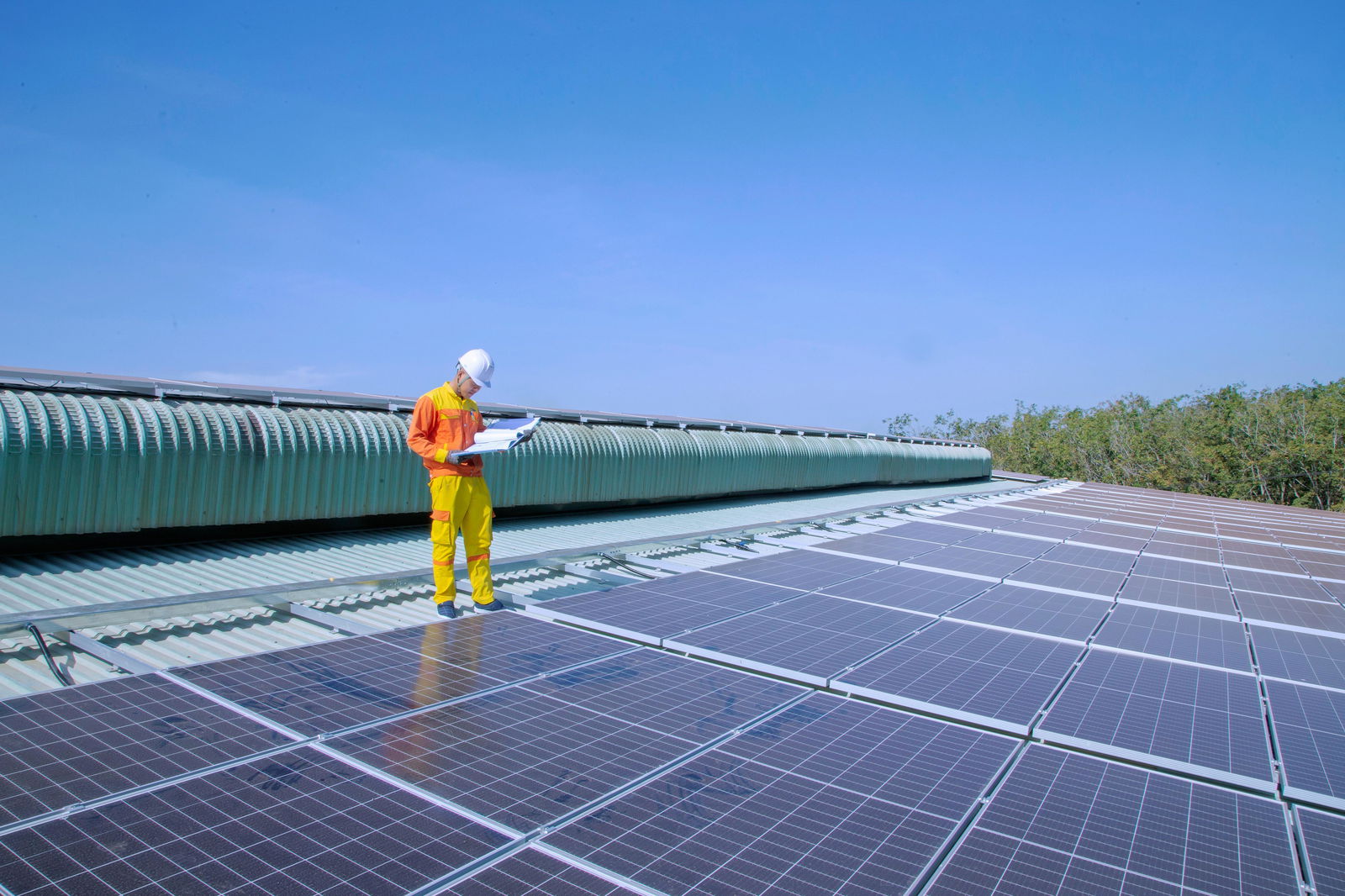
At Restart Global Consulting, we deliver end-to-end Solar EPC solutions that help businesses, institutions, and communities transition to clean, reliable, and sustainable energy. Our expertise covers On-Grid, Off-Grid, and Hybrid Solar Systems, engineered to maximise energy efficiency, reduce operating costs, and ensure long-term energy security.

Driven by precision engineering, strict quality standards, certified components, and full regulatory compliance, we provide turnkey solutions from feasibility studies and system design to procurement, installation, commissioning, and long-term maintenance.

Our mission extends beyond generating electricity. We are committed to reducing carbon emissions, accelerating the adoption of renewable energy, and creating a positive impact in addressing global warming and climate change, helping our clients achieve their sustainability and ESG goals.


How Does a Solar System Work?

A solar photovoltaic (PV) system converts sunlight directly into electricity through the photovoltaic effect. Solar panels generate Direct Current (DC) electricity, which is converted into Alternating Current (AC) by a solar inverter for use in homes, businesses, and industries.

  • On-Grid Solar Systems supply clean electricity to your facility while exporting surplus energy to the utility grid through a bi-directional meter, helping reduce electricity bills through net metering.
  • Off-Grid Solar Systems operate independently of the utility grid by combining solar panels with battery storage, providing reliable power in remote locations or areas with limited grid access.
  • Hybrid Solar Systems integrate solar panels, battery storage, and the utility grid to deliver uninterrupted power, maximise self-consumption, and provide backup during power outages. 
 

By harnessing clean solar energy, organisations can lower energy costs, reduce dependence on fossil fuels, minimise their carbon footprint, and contribute to a more sustainable future.

NEW RULE - NON DCR PANEL

Impact of  Non-DCR Solar Modules on Project Cost

The choice between DCR (Domestic Content Requirement) and Non-DCR solar modules can have a significant impact on the overall project cost, depending on the project's eligibility for government incentives and regulatory requirements.

For private commercial and industrial projects where non-DCR modules are permitted, imported high-efficiency modules are often more competitively priced due to global manufacturing scale. This can reduce the overall EPC project cost by approximately 5–12%, depending on module technology, project size, exchange rates, and market conditions.

Conversely, projects requiring DCR/ALMM-compliant modules, such as government-supported or subsidised installations, may involve higher module procurement costs because of domestic sourcing requirements. However, these projects may benefit from government subsidies or incentive schemes that can offset part of the additional investment.

Typical Cost Comparison*

Module TypeTypical EPC Cost Impact
Non-DCR ModulesBaseline (Lower Cost)
DCR/ALMM-Compliant ModulesTypically 5–12% higher project cost*

*Actual cost differences vary based on module efficiency, manufacturer, project size, market conditions, logistics, and applicable government regulations.

Our Approach

At Restart Global Consulting, we evaluate every project individually to recommend the most suitable solar solution based on:

  • Regulatory compliance
  • Return on investment (ROI)
  • Levelized Cost of Energy (LCOE)
  • Energy generation performance
  • Long-term reliability
  • Warranty coverage
  • Project budget
  • Sustainability and ESG objectives

Our objective is to deliver a solar solution that balances cost efficiency, regulatory compliance, long-term performance, and environmental impact, ensuring maximum value throughout the project's lifecycle.

Disclaimer: Solar module prices are influenced by global supply chains, exchange rates, raw material costs, and government policies. Final project pricing is provided after a detailed technical assessment and current market evaluation.

Smart Solar Starts with Smarter Installation

As of 2026, India has not imposed a blanket ban on non-DCR solar panels. However, the rules have become stricter depending on the project type and whether government incentives are involved.

Current Position

Residential Rooftop Solar (PM Surya Ghar Scheme)

  • If you claim the Central Financial Assistance (subsidy), you must comply with the government's requirements, including the applicable DCR/ALMM conditions.
  • If you voluntarily give up the subsidy ("Give It Up" option), the Ministry has clarified that you may install non-DCR solar modules for residential rooftop systems under the scheme until 31 March 2027, subject to the scheme's conditions.


Commercial & Industrial (C&I) Projects

For most commercial and industrial projects:

  • Non-DCR panels are still permitted, provided the project complies with applicable BIS certification and other regulatory requirements.
  • However, where projects fall under Government schemes, Government-assisted projects, Open Access, Net Metering categories covered by MNRE's ALMM Order, or government tenders, only ALMM-listed modules are eligible, and the applicable ALMM requirements for cells/modules must be followed.


Government Projects

Government-funded or government-supported solar projects generally require:

  • ALMM-approved modules.
  • Increasing compliance with ALMM-listed solar cells as per the latest MNRE implementation schedule.


What This Means for EPC Companies

For clients, the choice should depend on the project:

  • Residential with subsidy: DCR/ALMM-compliant systems are generally required.
  • Residential without subsidy: Non-DCR modules are currently allowed under the MNRE clarification for eligible projects until the specified scheme deadline.
  • Commercial & industrial private projects: Non-DCR modules may still be used where permitted, but ALMM applicability should be checked based on the project's regulatory category.
  • Government projects: ALMM-compliant products are generally mandatory.


Recommendation

Given the evolving regulatory framework, an EPC contractor should:

  • Verify the latest MNRE ALMM requirements before finalising module selection.
  • Evaluate whether the project qualifies for subsidies, government procurement, open access, or other categories that trigger ALMM compliance.
  • Advise clients based on lifecycle performance, warranty, availability, regulatory compliance, and total project economics rather than only initial module cost.

The ALMM framework continues to evolve, so checking the latest MNRE notifications before procurement is essential


Our Complete Solar Solution 

We provide innovative solutions and specializes in the supply of Solar Balance of System (BOS) components and the installation of solar power plants.
With a commitment to sustainability and renewable energy, we offer high-quality products and services to help clients harness the power of the sun and contribute to a greener future.

Structures

We provide a wide range of solar panel mounting structures, designed to accommodate various types of solar panels and installation requirements.

ACDB/DCDB

Our ACDB (Alternate Current Distribution Box) and DCDB (Direct Current Distribution Box) solutions ensure efficient power distribution within the solar power plant.
 

Earthing Solutions

We offer advanced earthing systems to ensure proper grounding and safety for the solar power plant. 
 

Solar On grid inverters (make Power One)

We are Aurhorized distributor of Power One on-grid inverters for UP.

BOS Components

We supply a range of additional BOS components such as combiner boxes, cable trays, lightning arresters, and more

Installation and Commissioning

Our experienced team of engineers and technicians handles the end-to-end installation of solar power plants, ensuring seamless integration of all components and optimal performance.

Get Details.


Electrical 

Installations

Electrical Infrastructure Services

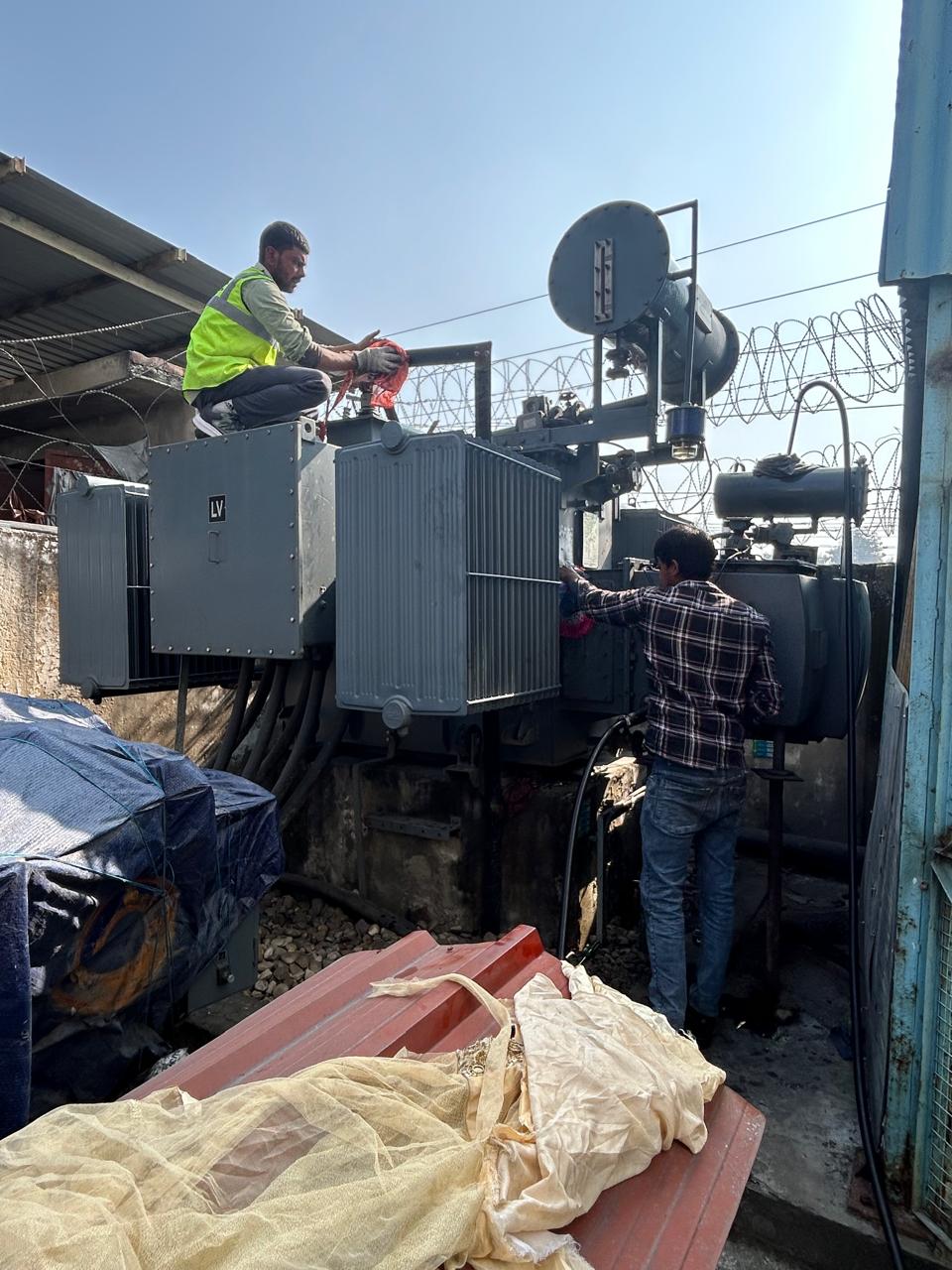
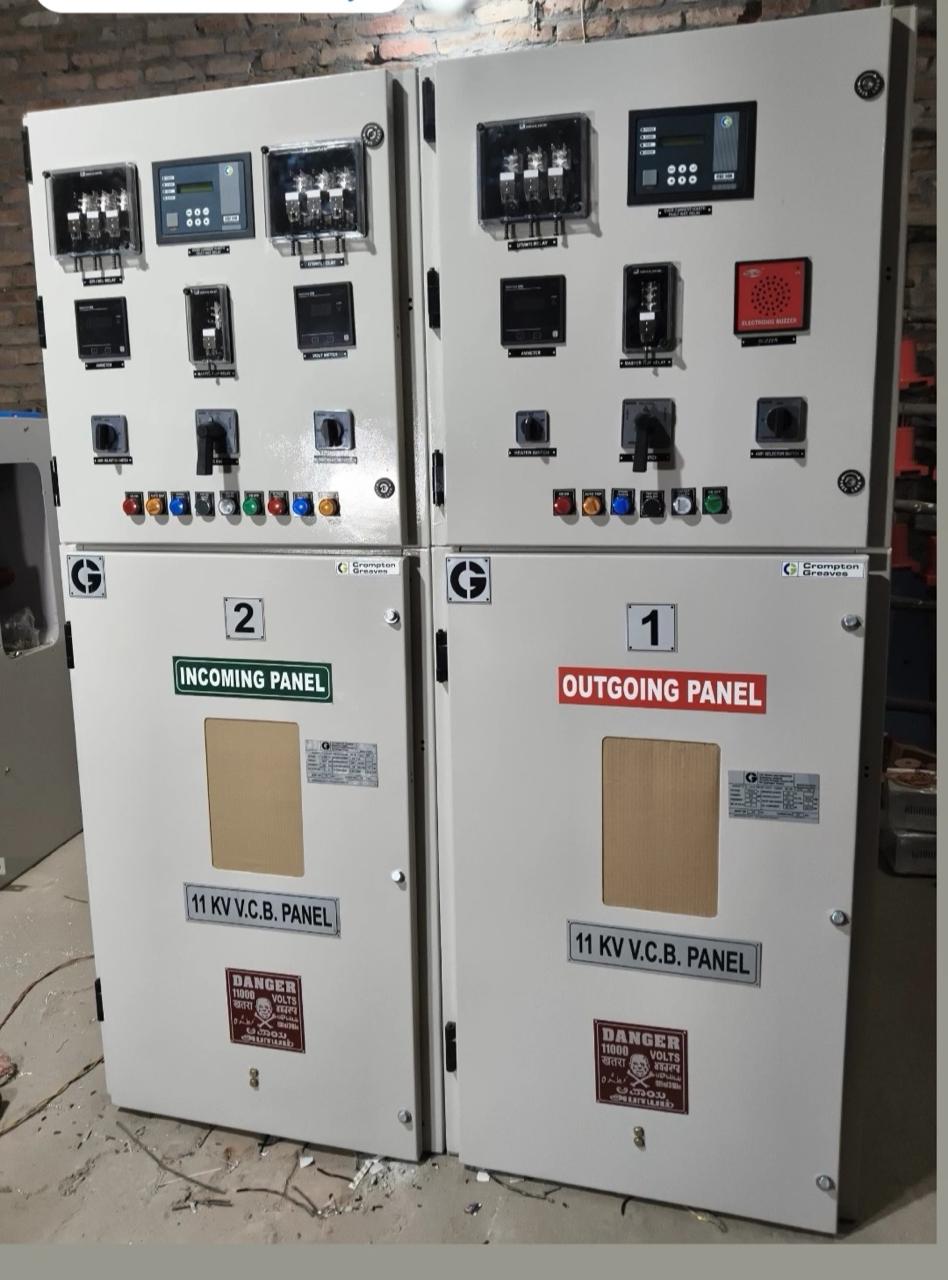
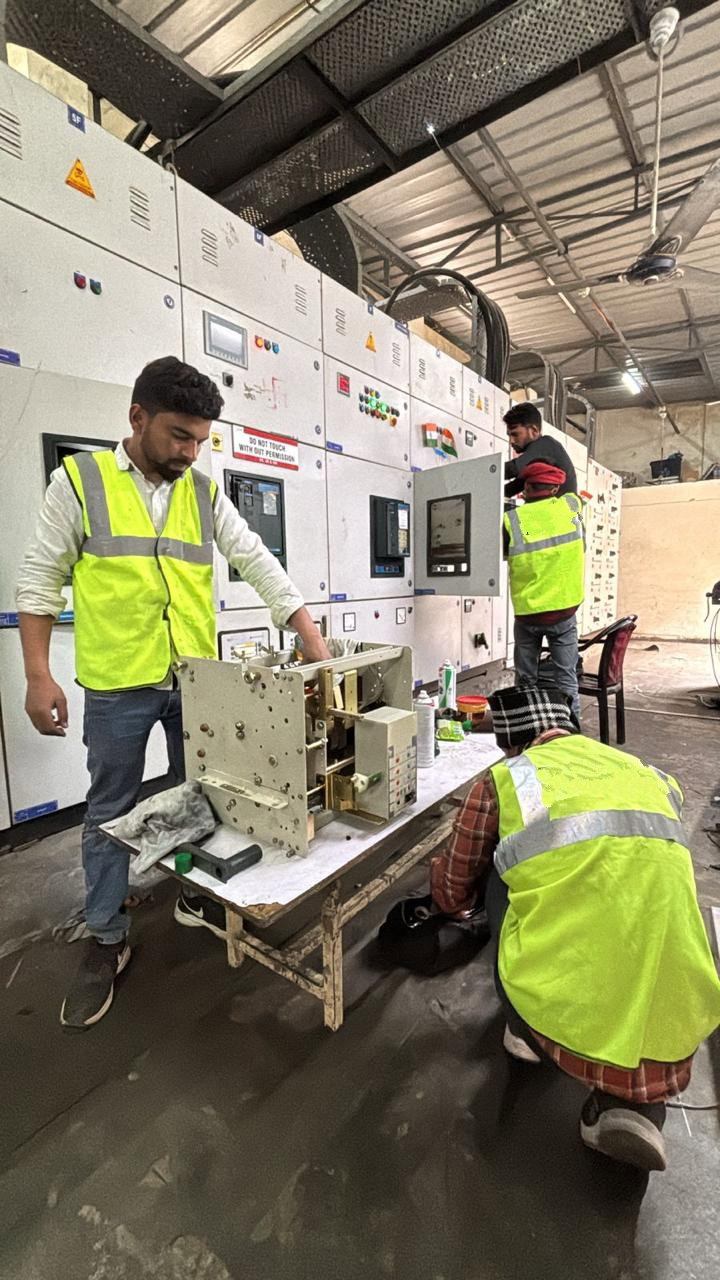
Restart Global Consulting, along with Solar Installation, delivers comprehensive electrical infrastructure solutions for commercial, industrial, institutional, and utility projects. We specialize in the design, supply, installation, testing, commissioning, and maintenance of complete electrical systems, ensuring safe, reliable, and efficient power distribution. Our expertise includes Low Tension (LT) panels, transformers, power and control cable installations, electrical distribution networks, generator installation and synchronisation, switchgear, earthing and lightning protection systems, and electrical system upgrades. Whether it is a new installation, infrastructure modernisation, capacity expansion, or preventive maintenance, our experienced team provides end-to-end project execution in compliance with industry standards and safety regulations. We are committed to delivering high-quality electrical infrastructure solutions that enhance operational reliability, maximize system performance, and support the long-term needs of our clients.
We collaborate with a network of government-licensed engineers, certified electrical contractors, leading manufacturers, authorized distributors, and trusted technology partners to deliver projects that meet the highest standards of quality, safety, and performance.

Transformer
LT PANEL
Engineering 
Knowledge  Corner
Research & Information
  • EU- INDIA Free Trade Agreement
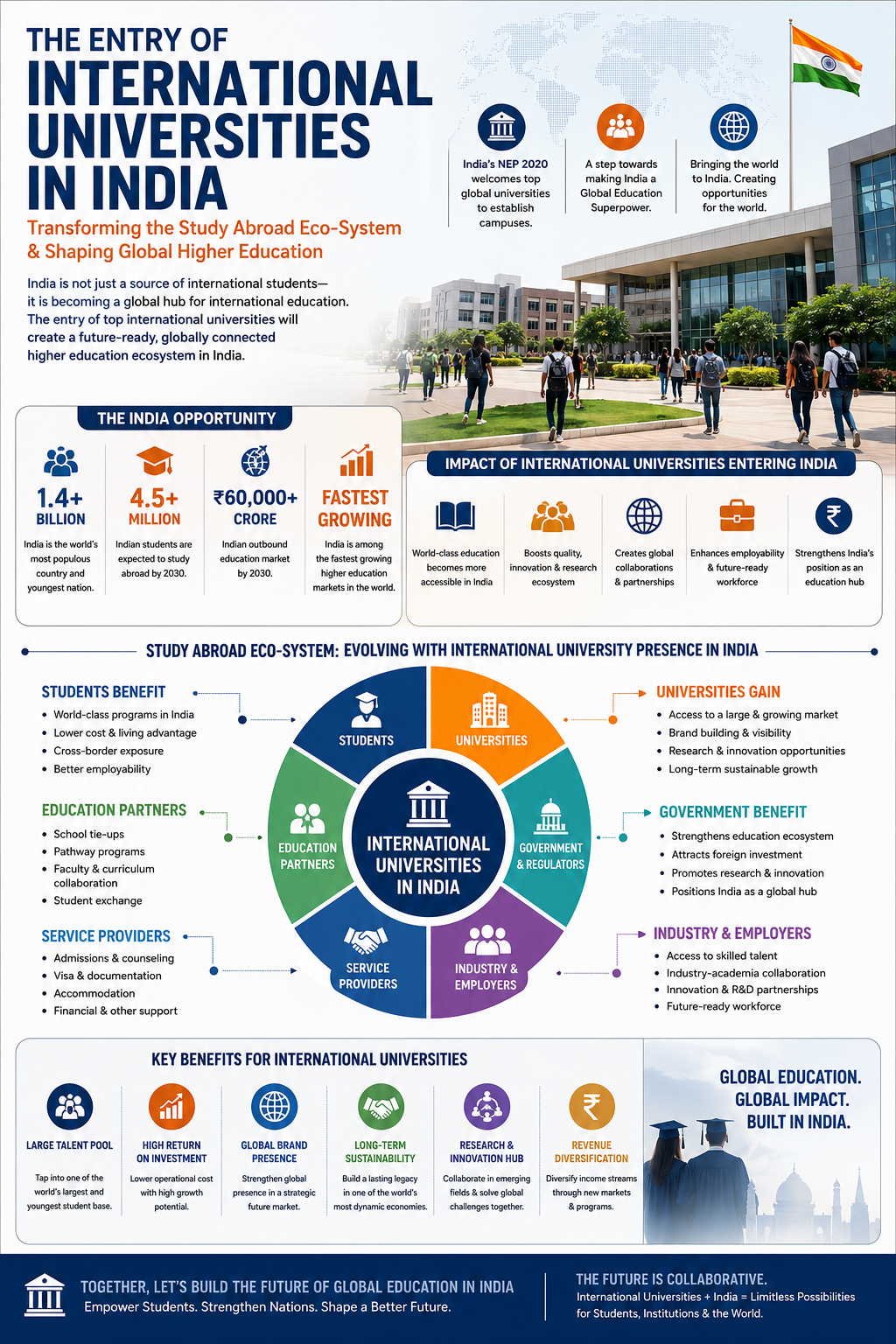
  • Impact of International Universities Campus in India

  • International University Branding