Healthy Habits That Strengthen Adolescent Learning and Wellbeing
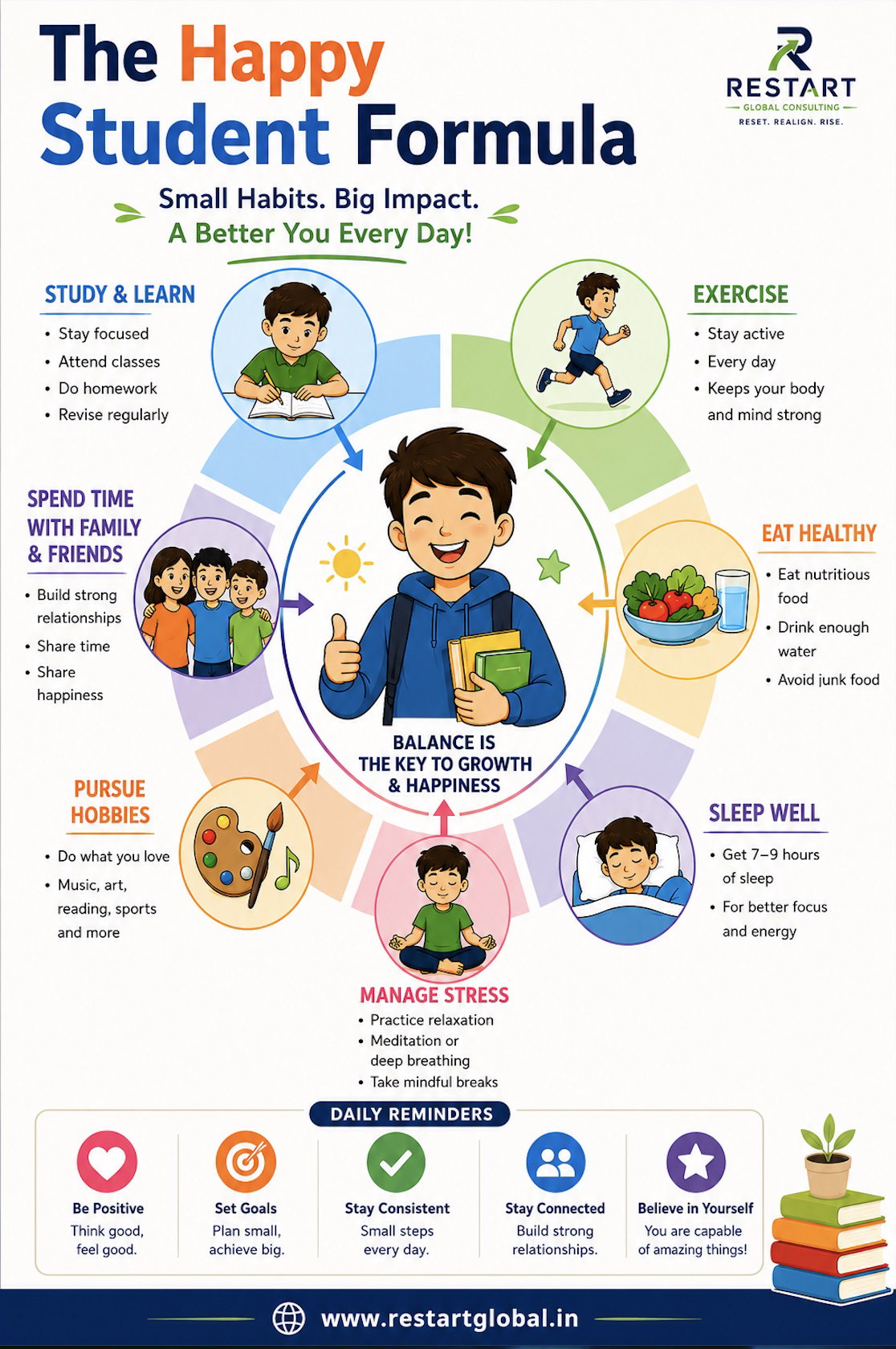
Adolescence is a period of rapid physical, cognitive, and emotional development. During these years, everyday habits play a significant role in shaping learning capacity, self-regulation, mood, and long-term wellbeing. Sleep, nutrition, physical activity, screen use, social connection, and structured routines are not separate concerns; together, they form the foundation on which academic performance and personal resilience are built.
The Neurobiological Value of Positive Habits
Healthy routines influence the brain systems associated with motivation, emotional regulation, attention, and social connection. Completing a task, meeting a goal, or maintaining a consistent routine can reinforce a sense of competence and encourage continued effort. Similarly, exercise, laughter, mindful breathing, and supportive relationships can help reduce stress and strengthen emotional stability.
These benefits are often cumulative rather than immediate. Spending time outdoors, taking purposeful breaks, walking in nature, or practising brief meditation can support attention and mood over time. For adolescents, the repeated experience of small, achievable successes can build confidence, persistence, and a more balanced approach to daily challenges.
Sleep as a Foundation for Learning
Adequate sleep is essential for memory consolidation, attention, decision-making, and emotional regulation. Adolescents generally require 8–10 hours of sleep each night to support healthy development and daytime alertness. When sleep is insufficient or irregular, students may experience reduced concentration, lower energy, weaker impulse control, and diminished academic performance.
Effective sleep hygiene begins with consistency. A regular bedtime and wake-up time, reduced screen exposure before bed, and a cool, quiet, and dark sleeping environment can improve rest quality. A predictable evening routine—such as reading, light stretching, preparing school materials, or reflecting on the next day’s priorities—can help adolescents transition more effectively from activity to rest.
Nutrition and Sustained Cognitive Performance
Nutrition directly affects energy levels, concentration, mood, and overall health. A balanced diet that includes fruits, vegetables, whole grains, lean proteins, pulses, dairy or suitable alternatives, and healthy fats can help adolescents maintain steady energy throughout the school day. Breakfast is particularly valuable because it supports attention after the overnight fast and reduces reliance on low-nutrient snacks later in the day.
Practical choices may include oatmeal with fruit, eggs, curd or yogurt, nuts, whole-grain foods, vegetables, pulses, and adequate water intake. By contrast, frequent dependence on sugary drinks, highly processed foods, or skipped meals can contribute to energy fluctuations and weaker concentration. The objective is not restrictive eating, but consistent nourishment that supports both learning and growth.
Physical Activity and Brain Health
Regular physical activity supports cardiovascular fitness, bone and muscle strength, stress reduction, and cognitive functioning. For adolescents, approximately 60 minutes of moderate-to-vigorous activity each day is widely recommended. Movement can improve attention, memory, and emotional regulation, making it an important contributor to both health and academic readiness.
Physical activity is most sustainable when it is enjoyable and integrated into daily life. Sports, cycling, brisk walking, dance, yoga, martial arts, and outdoor play all provide meaningful opportunities for movement. Short activity breaks during study sessions can also refresh attention and reduce fatigue, helping students return to academic tasks with greater focus.
Technology Use and Attentional Balance
Digital technology is an important part of education, creativity, and communication. However, excessive or poorly timed recreational screen use can displace sleep, physical activity, reading, hobbies, and face-to-face interaction. A healthier approach focuses on purposeful use, clear boundaries, and awareness of how technology affects attention and rest.
Useful boundaries include keeping phones away during homework, creating screen-free periods for study or family time, charging devices outside the bedroom, and selecting high-quality digital content. Screen-time tracking tools can help adolescents observe patterns and make informed adjustments without framing technology as inherently negative.
Study Skills and Self-Management
Academic responsibility develops when adolescents learn to plan, prioritise, monitor progress, and complete tasks consistently. A planner, calendar, or digital organiser can help students record assignments, assessments, activities, household responsibilities, and deadlines. Larger tasks become more manageable when divided into smaller, clearly defined steps.
A structured study routine may include 25–30 minutes of focused work followed by a short restorative break. A dedicated study space, organised materials, and a daily priority list can reduce distraction and increase efficiency. Appropriate rewards, such as a brief walk, snack, or leisure break after completing a task, can reinforce motivation while maintaining balance.
Daily Routines and Personal Responsibility
Consistent routines provide structure, reduce avoidable stress, and promote independence. A well-designed morning routine may include waking at a consistent time, preparing for school, eating breakfast, and ensuring that books, assignments, and materials are ready. After school, a balanced routine can include rest, a nutritious snack, homework, household contribution, physical activity, and free time.
Evening routines are equally important because they prepare both the body and mind for the next day. Family meals, review of upcoming commitments, preparation of clothes and school materials, and a device-free wind-down period can all support better sleep and greater readiness. Over time, predictable routines strengthen self-discipline and reduce decision fatigue.
Goal Setting and Reflective Practice
Weekly goal setting helps adolescents translate intention into measurable progress. Goals may relate to study time, test preparation, reading, skill development, physical activity, household responsibilities, community service, or hydration. Limiting goals to one or two priorities increases the likelihood of follow-through and allows students to experience meaningful progress.
Reflection strengthens learning from experience. At the end of each week, adolescents can consider what went well, what was challenging, and what should change in the coming week. Recording one success and one area for improvement in a journal, checklist, or planner makes growth visible and encourages constructive self-evaluation.
Summary
· Sleep should be treated as a core learning tool, not merely as recovery time.
· Balanced nutrition supports sustained attention, mood stability, and physical growth.
· Daily movement contributes to cognitive performance as well as physical health.
· Technology use is most beneficial when it is purposeful, bounded, and balanced with offline activities.
· Planning systems, routines, and reflection help adolescents develop responsibility and self-management.
· Small, repeated improvements can produce meaningful long-term gains in confidence, resilience, and wellbeing.
Adolescent learning and wellbeing are strengthened by consistent, practical habits rather than short-term effort alone. When sleep, nutrition, movement, technology use, study routines, and reflection are aligned, teenagers are better positioned to manage school demands, maintain emotional balance, and develop the skills needed for future independence. A publication-ready approach to adolescent development should therefore emphasise not only achievement, but the daily conditions that make healthy achievement sustainable.
Sources note: This article is informed by established public health and education guidance on adolescent sleep, physical activity, nutrition, balanced technology use, and self-management. Recommendations should be adapted to individual needs, family circumstances, and professional advice where appropriate.
By Dhiraj T. | 12.07.2026
 12 Jul 2026
 14 Nov 2025
 05 Jul 2025
-
05 Jul 2025
14 Nov 2025